
Boston, Massachusetts
Product design and engineering for Boston teams
A product design and software development consultancy. We work with US companies on web apps, mobile apps, custom software, AI features, and the UX/UI design that holds them together.
Most engagements begin with a problem that is not fully a software problem yet.
A churn pattern nobody can explain. A mobile app that works but feels slow on the screens customers touch most. A back-office process held together by spreadsheets. We run technical discovery first, then move into product strategy, UX/UI design, and engineering as one team rather than three handoffs.
What we actually do
One team, not three handoffs
That end-to-end model is the point: the people who talk to your users sit close to the people writing the code. Fewer briefs get re-litigated, fewer decisions get lost at a handoff, and nobody has to explain your own product back to you in week six.
Discovery produces a plan you can act on even if you stop there. If you continue, design and development run in short cycles with working software at the end of each one, and you watch progress in a shared workspace rather than a status deck.
Technical discovery
We map constraints, data, and users, then say plainly what is worth building and what should wait.
Design and build as one cycle
Flows, interfaces, and code move together so what gets built is what got agreed, and it ships.
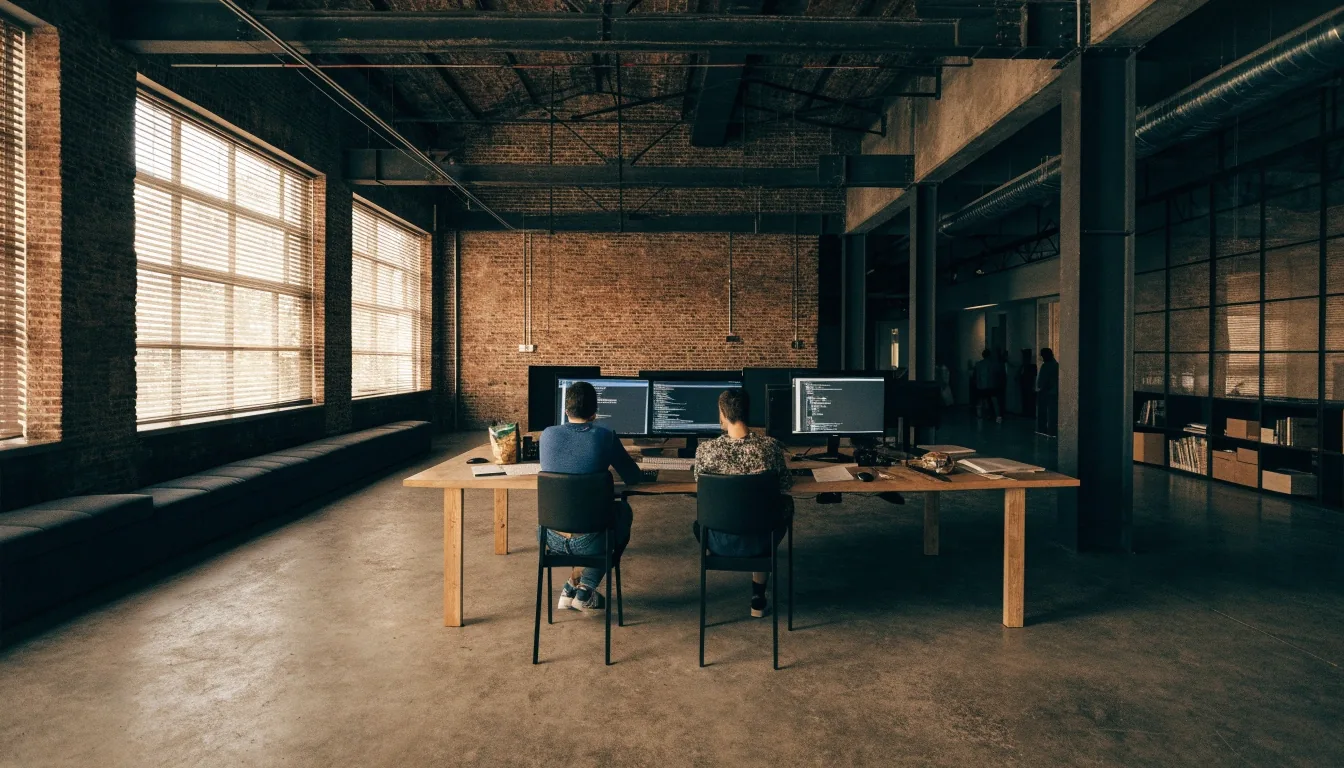
Web applications
We build and rebuild web apps, with a long track record in Ruby on Rails and Hotwire and steady work in JavaScript stacks when a project calls for them. That covers customer-facing products, internal tools, and legacy systems that have become expensive to change.
A Rails monolith is often the right call for a small team that needs to ship. A React front end with a separate API makes sense when the interface is the hard part. We will argue for the one that fits your constraints, not our comfort zone.
Web stack
Rails, Hotwire, and JavaScript front ends where they earn their keep.
Internal tools
Software your own operators use every day, built for the people who run it.
Legacy work
Rebuilding systems where change has become slow and expensive.

Mobile products
Our mobile work spans native iOS, native Android, and cross-platform React Native. The choice usually comes down to how much you need platform-specific behavior versus how fast you need to reach both stores with one team.
React Native is still a strong default for products where the core experience is shared and the release cadence matters more than per-platform polish. When you depend on a camera, a sensor, or the tightest possible performance on a single platform, native wins. We will walk through the tradeoffs with real examples before anyone commits to a stack.
- React Native
- One codebase, one team, releasing to both stores on a shared cadence.
- Native iOS
- Chosen when platform-specific behavior or single-platform performance leads the decision.
- Native Android
- The same reasoning applied to the Android side, with its own constraints and devices.
AI integration that does real work
When clients ask for an AI feature, they usually mean one of four things: summarization, search over their own documents, a copilot inside an existing workflow, or automation of a repetitive step. We build on OpenAI's API and comparable model providers, and the work is less about the model than about the surrounding product: what the user sees, what happens when the output is wrong, and where a person stays in the loop.
Microsoft Azure is a common fit for enterprise clients already invested in Microsoft tooling, since hosting, managed databases, and AI services live in one ecosystem. Projects here stay narrow on purpose: put something small in front of real users, watch where it fails, then widen it.
Summarization
Turn long threads and documents into a short version a person can check in seconds.
Search
Answers drawn from your own documents, with the source visible.
Copilots
Assistance inside a workflow your team already uses, not a separate destination.
Automation
Remove one repetitive step at a time, and keep a human review where the output matters.
Design as a working discipline
Product strategy and UX/UI design run through every engagement, not as a separate phase.
Research that changes decisions
We do UX research, map flows, and rebuild the parts of the product the interviews say are wrong. Human-centered design sounds like a slogan until you watch a checkout flow get restructured around three user interviews.
Systems engineers can build
We maintain design systems engineers can actually build against, so components are reused instead of re-drawn. The goal is fewer rounds of rework and a product your team can extend after we are gone.
A short list of the tools teams bring up
- Web application work Ruby on Rails and Hotwire
- Mobile React Native for cross-platform, plus native iOS and Android when the platform matters
- Repositories and delivery GitHub for repositories, pull requests, and CI/CD automation through Actions
- Planning and communication Linear or Jira for issue tracking, Slack for day-to-day communication
- Payments and documentation Stripe for payments and subscription billing, Notion for specs and research notes

Who we work with
Our clients range from seed-stage startups that need an MVP built properly the first time to established companies modernizing software that predates their current team. In Boston and across the US, the common thread is a decision that carries real cost if it goes wrong: a platform migration, a first mobile release, a payments flow that has to convert.
We are a fit when you want a cross-functional team and a partner who will push back. We are a poor fit if you need a large body of contractors assembled quickly. Teams that pair well with us tend to have one person on their side who can make decisions fast, and that single detail predicts more about how a project goes than the size of either company.
What working with us looks like
Engagements are iterative by design. Discovery produces a plan you can act on even if you stop there. Design and development run in short cycles with working software at the end of each one, and you see progress in a shared workspace rather than a status deck.
-
1
Discovery first
We learn the users, the constraints, and the data, then put a plan on the table you can act on.
-
2
Short cycles
Design and development run together, and each cycle ends with working software you can open and use.
-
3
Your team can take it on
We hand over the code, the design system, and the reasoning behind both, so it keeps moving without us.
Software that ships in small increments gets feedback while changing course is still cheap. The same applies to AI features, where model behavior is hard to predict and the best way to learn is to put something narrow in front of users. If your roadmap is a single date months out with nothing in between, we will suggest breaking it up before we start.
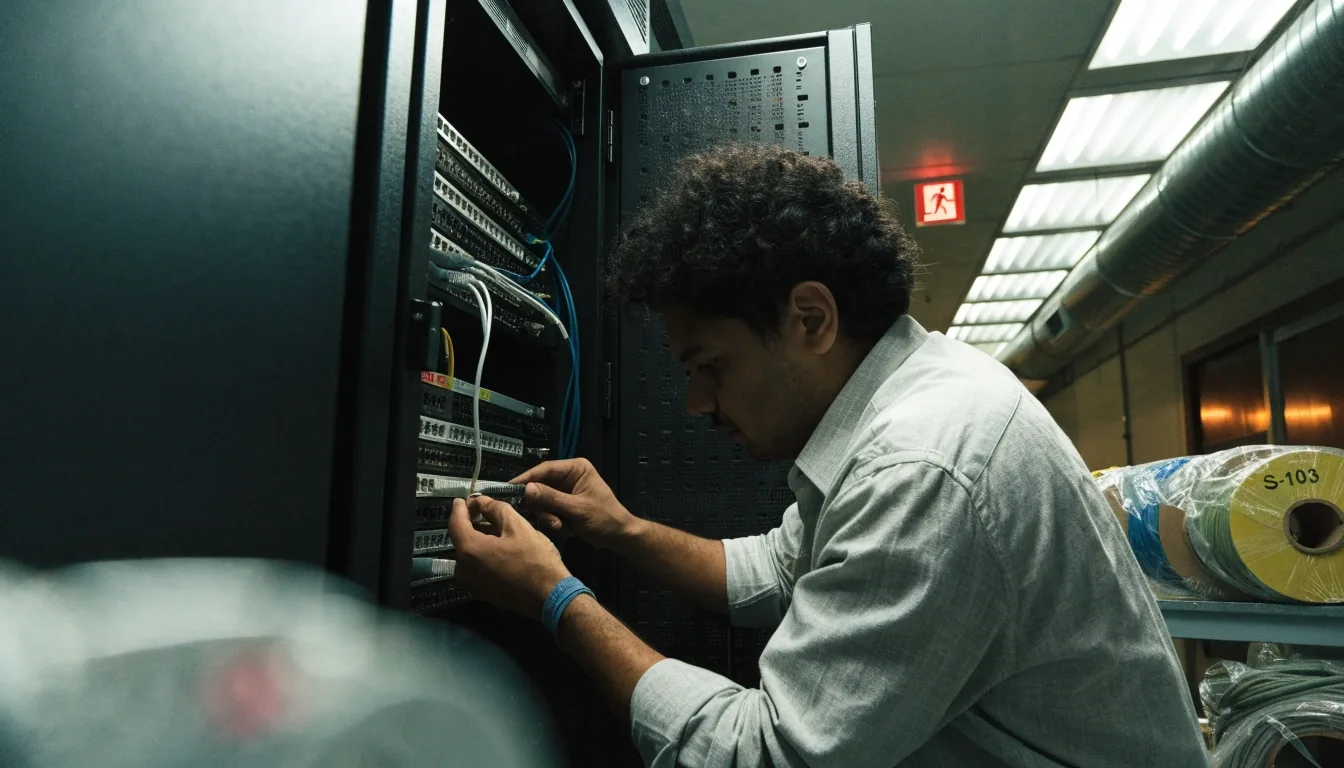
Legacy modernization without a rewrite fantasy
Full rewrites fail often enough that we treat them as a last resort. More common: strangle the old system piece by piece, move the highest-value workflows first, and keep the business running the whole time. This is where a consultancy's judgment matters more than raw capacity.
We have done this with Rails applications that grew for a decade and with mobile clients tied to APIs nobody wanted to touch. The first workflow to move is the one that costs the most to keep doing by hand.
Accessibility and quality as defaults
Accessibility gets tested, not promised. We check keyboard navigation, screen reader behavior, and color contrast as part of building, because retrofitting them later costs more and misses users.
Automated tests and code review run on every change through GitHub, and AI coding assistance speeds up the routine parts without replacing review discipline. Speed comes from removing rework, not from skipping checks.
Questions teams ask before they call
Short answers to the things that usually decide whether a project starts.
How do I choose between a product consultancy and a general software agency?
Look at where the ambiguity sits. If the problem is well specified and you mainly need capacity, a general agency can work. If you are still deciding what to build and why, a product consultancy earns its keep earlier. We will tell you plainly which one we think you need, even when the answer is not us.
When should a team build with Ruby on Rails versus a JavaScript stack?
Rails tends to win when a small team needs to ship a working product fast and the value is in the domain logic rather than the interface. A JavaScript-heavy stack makes more sense when the front end is genuinely complex or your team already lives there. Hotwire has narrowed the gap for many apps that would have needed a separate front end a few years ago.
Is React Native still a good choice for a new mobile app?
For many products, yes. It is a good fit when the core experience is shared across iOS and Android and you want one team releasing to both stores. Native is the better call when you depend on platform-specific hardware features or want the tightest possible performance on one platform.
What does an AI integration project actually include beyond a chatbot?
Usually four moving parts: connecting the model to your data, designing the interface around it, handling wrong or uncertain output, and deciding where a person reviews the result. Summarization, internal search, and workflow automation are more common in practice than chat. The model choice matters less than the product around it.
How important is UX/UI design in custom software projects?
It affects adoption directly, especially for internal tools people are forced to use. We treat design and engineering as one process, with a design system engineers build against. Skipping that step tends to reappear later as rework and support tickets.
Should a startup use a headless CMS or a simpler website platform?
If marketing needs to publish independently and the site will grow content over time, a headless CMS pays off. For a small site that changes rarely, a simpler platform is less to maintain. We usually ask what the content team looks like in a year before recommending either.

Where to start
If you have a defined project, send us the shape of it: what you are building, who it is for, and what is blocking you. If you do not, that is fine too, and a short conversation usually clarifies whether we are the right partner. Either way you will get a straight answer about fit rather than a sales sequence.
- Studio
- Boston, Massachusetts, USA
- Hours
- Monday–Friday, 9:00 AM – 6:00 PM
- Contact
- [email protected]